Engineering Insights
Choosing The Right Centrifugal Pump for Chemical Processing
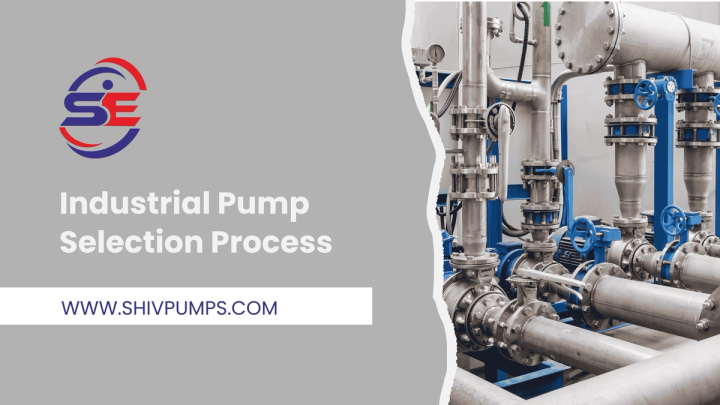
Selecting the right centrifugal pump for chemical processing is a critical decision that directly impacts plant reliability, safety and operational efficiency for any production business. In the chemical industry, pumps must handle a wide range of corrosive, abrasive and hazardous fluids under varying flow and pressure conditions. Thus, selecting the right pump can give a day and night difference for the end users.
This comprehensive guide explores the key factors in centrifugal pump selection, the importance of pump material compatibility, performance optimization and how Shiv Pumps’ advanced solutions address the unique challenges of chemical processing.
Understanding Chemical Process Pump Requirements
Chemical processing environments are among the most demanding for fluid handling equipment. Unlike standard water or utility pumps, chemical process pumps must withstand aggressive chemicals, high temperatures and abrasive slurries, all while maintaining strict standards for safety and reliability. The right pump selection ensures minimal downtime, reduces maintenance costs and safeguards both personnel and the environment.
Centrifugal pumps are the workhorses of chemical plants, transferring fluids by converting mechanical energy into hydraulic energy through centrifugal force. Their popularity stems from their ability to deliver high flow rates, handle a variety of fluids and offer robust, continuous operation. However, the diversity of chemicals and process conditions means that not all centrifugal pumps are created equal. Choosing a pump requires a deep understanding of process requirements, fluid properties and the technical nuances of pump design.
Key Factors in Pump Selection Process
Choosing the right pump from various pump types is a decision driven design and technical requirements. You can select from range of centrifugal pumps, positive displacement pumps, magnetic drive pumps, variable frequency drives and so on. But, you must ensure the pump used would provide a long service life and gets ample manufacturer support for better operations.
Understanding The Flow & Pressure Requirements
The starting point for any pump selection is a clear definition of the required flow rate and system head (pressure). Flow rate determines the volume of fluid to be moved per unit time, while head represents the energy needed to move the fluid through the system. Accurate calculation of these parameters is essential, as undersized pumps can cause process bottlenecks, while oversized pumps waste energy and increase wear.
Pump performance is typically illustrated on a pump curve, which plots head against flow rate. Selecting a pump that operates near its Best Efficiency Point (BEP) on the curve ensures optimal energy efficiency, minimal vibration and extended bearing and seal life. Shiv Pumps provides detailed pump curves for all models, enabling precise matching of pump performance to process needs.
Material Compatibility and Corrosion Resistance For Usage
Chemical compatibility is perhaps the most critical factor in chemical processing pump selection. The materials used in pump construction must resist corrosion, chemical attack and mechanical wear from abrasive particles. Common materials include:
- Stainless Steel (SS 316/CF8M): Excellent resistance to a wide range of chemicals, acids and solvents.
- Polypropylene (PP): Highly resistant to acids, alkalis and many organic solvents.
- PVDF (Polyvinylidene Fluoride): Superior chemical resistance, especially to strong acids and halogens.
- Super Alloys and GFRPP: For the most aggressive or high-temperature applications.
Shiv Pumps offers a comprehensive range of pumps made from these materials, ensuring compatibility with virtually any chemical process fluid. Their expertise in non-metallic pumps, such as solid PVDF and polypropylene models, positions them as a leader in handling highly corrosive and hazardous fluids.
Cavitation Prevention and NPSH Considerations
Cavitation is a destructive phenomenon where vapor bubbles form and collapse within the pump while operating, causing pitting, vibration and rapid component wear. Preventing cavitation requires careful attention to Net Positive Suction Head (NPSH). The NPSH available (NPSHa) in the system must always exceed the NPSH required (NPSHr) by the pump, with a safety margin to account for process variations.
Proper suction piping design—short, straight and adequately sized—minimizes pressure losses and turbulence. Shiv Pumps’ technical team assists customers in evaluating NPSH requirements and optimizing system layouts to prevent cavitation and ensure long-term pump reliability.
Specialized Considerations for Chemical Applications
Handling Corrosive and Abrasive Fluids
Chemical process pumps often encounter fluids that are not only corrosive but also contain suspended solids or abrasive particles. This dual challenge demands pumps with both chemical resistance and mechanical durability. Shiv Pumps addresses this with:
- Semi-Open Impeller Designs: Allow passage of solids and reduce clogging.
- Wear-Resistant Materials: Hardened alloys and engineered plastics for impellers and casings.
- Robust Sealing Systems: Mechanical seals and gland packings designed for aggressive media.
These features ensure that pumps maintain performance and reliability even in the harshest chemical environments.
Energy Efficiency and Lifecycle Cost
Energy efficiency is a key concern in modern chemical plants, where pumps can account for a significant portion of total energy consumption. Selecting a pump that operates close to its BEP not only reduces energy costs but also minimizes wear and extends service life. Shiv Pumps’ advanced hydraulic designs and the option for variable speed drives (VSDs) enable precise control of flow and pressure, further optimizing energy use.
Lifecycle cost analysis should also consider maintenance requirements, spare parts availability and ease of service. Shiv Pumps’ commitment to quality manufacturing, standardized components and strong after-sales support ensures minimal downtime and low total cost of ownership.
Compliance with Industry Standards
Chemical process pumps must adhere to stringent industry standards for safety, reliability and interchangeability. Key standards include:
- ISO 5199 / DIN 24256: General-purpose process pumps for chemical and industrial applications.
- ANSI/ASME B73.1: American standard for chemical process pumps.
- API 610: For pumps in petroleum, petrochemical and gas industries.
- ATEX Certification: For pumps used in explosive or hazardous environments.
Shiv Pumps manufactures pumps in compliance with these standards, providing customers with confidence in product safety and regulatory compliance.
Shiv Pumps: Solutions for Every Chemical Processing Challenge
As a leading centrifugal pump manufacturer, Shiv Pumps offers a diverse portfolio tailored to the needs of the chemical industry:
- ANSI Chemical Process Pumps: Designed for global compatibility and easy maintenance.
- Stainless Steel (SS) Pumps: For aggressive chemicals and solvents.
- PVDF and Polypropylene Pumps: For highly corrosive and hazardous fluids.
- Vertical Submersible Pumps: For effluent, wastewater and chemical transfer.
- Custom Solutions: Tailored materials, sizes and configurations for unique process requirements.
Each pump is engineered for durability, reliability and ease of maintenance, with a focus on minimizing downtime and maximizing process uptime.
Maintenance, Spare Part and Reliability
Reliability in chemical processing is not just about initial pump selection—it’s about ongoing performance. Regular maintenance is essential to prevent unexpected failures and costly downtime. Shiv Pumps recommends:
- Routine Inspections: Every 3–6 months, depending on service severity.
- Condition-Based Monitoring: Using vibration, temperature and acoustic sensors for early detection of wear or cavitation.
- Spare Parts Management: Keeping critical components like bearings, seals and impellers in stock for rapid replacement.
Shiv Pumps’ strong after-sales support and readily available spare parts ensure that maintenance is straightforward and downtime is minimized.
Advanced Technical Insights: Cavitation, Corrosion and Abrasive Handling
Cavitation Prevention
Cavitation can be mitigated by:
- Ensuring NPSHa exceeds NPSHr with a safety margin.
- Optimizing suction piping design.
- Selecting impeller designs that minimize low-pressure zones.
- Operating the pump within its optimal range.
Shiv Pumps’ engineering team provides guidance on system design and pump selection to prevent cavitation and extend pump life.
Corrosion and Chemical Attack
Material selection is the frontline defence against corrosion. Shiv Pumps offers pumps made from SS 316, PVDF, polypropylene and super alloys, each chosen based on the specific chemical compatibility required. For the most aggressive chemicals, fluoropolymer-lined pumps provide an additional barrier against chemical attack.
Abrasive and Slurry Handling
For fluids containing solids, Shiv Pumps’ semi-open impeller and wear-resistant material options ensure that pumps can handle abrasive slurries without rapid wear or clogging. Regular inspection and replacement of wear parts further enhance durability.
Conclusion
Selecting the right centrifugal pump for chemical processing is a complex but crucial task that demands careful consideration of flow and pressure requirements, material compatibility, energy efficiency and compliance with industry standards. By partnering with a trusted centrifugal pump manufacturer like Shiv Pumps, chemical plants can ensure reliable, safe and cost-effective fluid handling solutions tailored to their unique process needs.
Shiv Pumps’ broad product portfolio, technical expertise and commitment to customer support make them the ideal partner for any chemical processing application.
Frequently Asked Questions
Why are chemical process pumps different from standard pumps?
Chemical process pumps are engineered to handle aggressive, corrosive and abrasive fluids that would quickly degrade standard pumps. They are constructed from specialized materials like SS 316, PVDF and super alloys and feature robust sealing systems, reinforced casings and compliance with strict industry standards for safety and reliability. Their design prioritizes type of chemical being used, durability and ease of maintenance, making them essential for demanding chemical processing environments.
How can cavitation be prevented in chemical process pumps?
Cavitation is prevented by ensuring that the Net Positive Suction Head available (NPSHa) in the system always exceeds the Net Positive Suction Head required (NPSHr) by the pump. This involves optimizing suction piping design, minimizing pressure losses, selecting the right impeller geometry and operating the pump within its recommended range. Regular monitoring and maintenance also help detect early signs of cavitation and prevent damage.
How frequently should a chemical process pump be maintained?
Maintenance frequency depends on the severity of service and the nature of the fluids handled. For most chemical process pumps, routine inspections every 3–6 months are recommended. Pumps handling highly corrosive or abrasive fluids may require more frequent checks. Condition-based monitoring using sensors can further optimize maintenance intervals, ensuring reliability while minimizing unnecessary downtime.
Conclusion
Selecting the right centrifugal pump for chemical processing is a complex but crucial task that demands careful consideration of flow and pressure requirements, material compatibility, energy efficiency and compliance with industry standards. By partnering with a trusted centrifugal pump manufacturer like Shiv Pumps, chemical plants can ensure that the pump is reliable, safe and cost-effective fluid handling solutions tailored to their unique process needs.
Shiv Pumps’ broad product portfolio, technical expertise and commitment to customer support make them the ideal partner for any chemical processing application.